
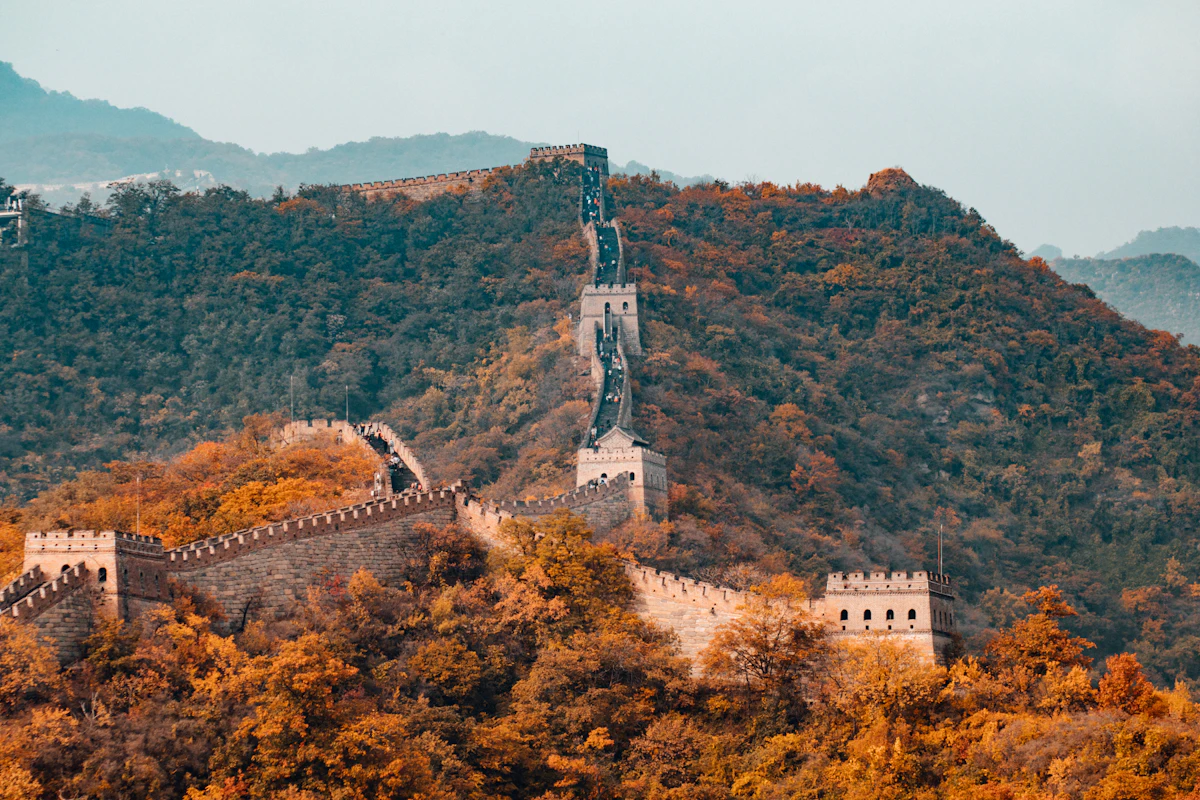
The Silk Road: Asia’s Ancient Trade Network
May 12, 2026
{"root":{"children":[{"children":[{"detail":0,"format":0,"mode":"normal","style":"","text":"The Silk Road: Asia’s Ancient Trade Network","type":"text","version":1}],"direction":null,"format":"","indent":0,"type":"heading","version":1,"tag":"h1"},{"children":[],"direction":null,"format":"","indent":0,"type":"paragraph","version":1,"textFormat":0,"textStyle":""},{"children":[],"direction":null,"format":"","indent":0,"type":"blog-image","version":1,"src":"https://images.unsplash.com/photo-1508804185872-d7badad00f7d?auto=format&fit=crop&w=1200&q=80","alt":"Silk Road Asia"},{"children":[],"direction":null,"format":"","indent":0,"type":"paragraph","version":1,"textFormat":0,"textStyle":""},{"children":[{"detail":0,"format":0,"mode":"normal","style":"","text":"Introduction","type":"text","version":1}],"direction":null,"format":"","indent":0,"type":"heading","version":1,"tag":"h2"},{"children":[],"direction":null,"format":"","indent":0,"type":"paragraph","version":1,"textFormat":0,"textStyle":""},{"children":[{"detail":0,"format":0,"mode":"normal","style":"","text":"The Silk Road was one of the most important trade networks in world history. Stretching across Asia, the Middle East, and Europe, it connected civilizations for centuries. More than just a route for merchants, the Silk Road became a bridge for culture, religion, science, and innovation.","type":"text","version":1}],"direction":null,"format":"","indent":0,"type":"paragraph","version":1,"textFormat":0,"textStyle":""},{"children":[],"direction":null,"format":"","indent":0,"type":"paragraph","version":1,"textFormat":0,"textStyle":""},{"children":[],"direction":null,"format":"","indent":0,"type":"blog-horizontal-rule","version":1},{"children":[],"direction":null,"format":"","indent":0,"type":"paragraph","version":1,"textFormat":0,"textStyle":""},{"children":[{"detail":0,"format":0,"mode":"normal","style":"","text":"Origins of the Silk Road","type":"text","version":1}],"direction":null,"format":"","indent":0,"type":"heading","version":1,"tag":"h2"},{"children":[],"direction":null,"format":"","indent":0,"type":"paragraph","version":1,"textFormat":0,"textStyle":""},{"children":[{"detail":0,"format":0,"mode":"normal","style":"","text":"The Silk Road began during the Han Dynasty of China around the 2nd century BCE. Chinese traders started traveling westward to exchange silk, tea, porcelain, and spices with merchants from Central Asia, India, Persia, and Rome.","type":"text","version":1}],"direction":null,"format":"","indent":0,"type":"paragraph","version":1,"textFormat":0,"textStyle":""},{"children":[],"direction":null,"format":"","indent":0,"type":"paragraph","version":1,"textFormat":0,"textStyle":""},{"children":[],"direction":null,"format":"","indent":0,"type":"blog-image","version":1,"src":"https://images.unsplash.com/photo-1521295121783-8a321d551ad2?auto=format&fit=crop&w=1200&q=80","alt":"Ancient Asian Trade Routes"},{"children":[],"direction":null,"format":"","indent":0,"type":"paragraph","version":1,"textFormat":0,"textStyle":""},{"children":[{"detail":0,"format":0,"mode":"normal","style":"","text":"The route was named after Chinese silk, one of the most valuable products traded across continents. However, the network carried much more than luxury goods.","type":"text","version":1}],"direction":null,"format":"","indent":0,"type":"paragraph","version":1,"textFormat":0,"textStyle":""},{"children":[],"direction":null,"format":"","indent":0,"type":"paragraph","version":1,"textFormat":0,"textStyle":""},{"children":[{"detail":0,"format":0,"mode":"normal","style":"","text":"Major Goods Traded","type":"text","version":1}],"direction":null,"format":"","indent":0,"type":"heading","version":1,"tag":"h3"},{"children":[],"direction":null,"format":"","indent":0,"type":"paragraph","version":1,"textFormat":0,"textStyle":""},{"children":[{"children":[{"detail":0,"format":0,"mode":"normal","style":"","text":"Silk","type":"text","version":1}],"direction":null,"format":"","indent":0,"type":"listitem","version":1,"value":1},{"children":[{"detail":0,"format":0,"mode":"normal","style":"","text":"Tea","type":"text","version":1}],"direction":null,"format":"","indent":0,"type":"listitem","version":1,"value":2},{"children":[{"detail":0,"format":0,"mode":"normal","style":"","text":"Spices","type":"text","version":1}],"direction":null,"format":"","indent":0,"type":"listitem","version":1,"value":3},{"children":[{"detail":0,"format":0,"mode":"normal","style":"","text":"Gold and silver","type":"text","version":1}],"direction":null,"format":"","indent":0,"type":"listitem","version":1,"value":4},{"children":[{"detail":0,"format":0,"mode":"normal","style":"","text":"Paper","type":"text","version":1}],"direction":null,"format":"","indent":0,"type":"listitem","version":1,"value":5},{"children":[{"detail":0,"format":0,"mode":"normal","style":"","text":"Precious stones","type":"text","version":1}],"direction":null,"format":"","indent":0,"type":"listitem","version":1,"value":6}],"direction":null,"format":"","indent":0,"type":"list","version":1,"listType":"bullet","start":1,"tag":"ul"},{"children":[],"direction":null,"format":"","indent":0,"type":"paragraph","version":1,"textFormat":0,"textStyle":""},{"children":[],"direction":null,"format":"","indent":0,"type":"blog-horizontal-rule","version":1},{"children":[],"direction":null,"format":"","indent":0,"type":"paragraph","version":1,"textFormat":0,"textStyle":""},{"children":[{"detail":0,"format":0,"mode":"normal","style":"","text":"Cultural Exchange Across Asia","type":"text","version":1}],"direction":null,"format":"","indent":0,"type":"heading","version":1,"tag":"h2"},{"children":[],"direction":null,"format":"","indent":0,"type":"paragraph","version":1,"textFormat":0,"textStyle":""},{"children":[{"detail":0,"format":0,"mode":"normal","style":"","text":"The Silk Road helped different civilizations exchange ideas and traditions.","type":"text","version":1}],"direction":null,"format":"","indent":0,"type":"paragraph","version":1,"textFormat":0,"textStyle":""},{"children":[],"direction":null,"format":"","indent":0,"type":"paragraph","version":1,"textFormat":0,"textStyle":""},{"children":[],"direction":null,"format":"","indent":0,"type":"blog-image","version":1,"src":"https://images.unsplash.com/photo-1516483638261-f4dbaf036963?auto=format&fit=crop&w=1200&q=80","alt":"Asian Culture and Temples"},{"children":[],"direction":null,"format":"","indent":0,"type":"paragraph","version":1,"textFormat":0,"textStyle":""},{"children":[{"detail":0,"format":0,"mode":"normal","style":"","text":"Important Cultural Impacts","type":"text","version":1}],"direction":null,"format":"","indent":0,"type":"heading","version":1,"tag":"h3"},{"children":[],"direction":null,"format":"","indent":0,"type":"paragraph","version":1,"textFormat":0,"textStyle":""},{"children":[{"children":[{"detail":0,"format":0,"mode":"normal","style":"","text":"Buddhism spread from India to China and East Asia.","type":"text","version":1}],"direction":null,"format":"","indent":0,"type":"listitem","version":1,"value":1},{"children":[{"detail":0,"format":0,"mode":"normal","style":"","text":"Chinese paper-making technology reached the Middle East and Europe.","type":"text","version":1}],"direction":null,"format":"","indent":0,"type":"listitem","version":1,"value":2},{"children":[{"detail":0,"format":0,"mode":"normal","style":"","text":"Artistic styles and architecture blended across regions.","type":"text","version":1}],"direction":null,"format":"","indent":0,"type":"listitem","version":1,"value":3},{"children":[{"detail":0,"format":0,"mode":"normal","style":"","text":"Scientific and mathematical knowledge traveled between civilizations.","type":"text","version":1}],"direction":null,"format":"","indent":0,"type":"listitem","version":1,"value":4}],"direction":null,"format":"","indent":0,"type":"list","version":1,"listType":"bullet","start":1,"tag":"ul"},{"children":[],"direction":null,"format":"","indent":0,"type":"paragraph","version":1,"textFormat":0,"textStyle":""},{"children":[{"detail":0,"format":0,"mode":"normal","style":"","text":"Travelers, monks, and scholars became important messengers of knowledge and culture.","type":"text","version":1}],"direction":null,"format":"","indent":0,"type":"paragraph","version":1,"textFormat":0,"textStyle":""},{"children":[],"direction":null,"format":"","indent":0,"type":"paragraph","version":1,"textFormat":0,"textStyle":""},{"children":[],"direction":null,"format":"","indent":0,"type":"blog-horizontal-rule","version":1},{"children":[],"direction":null,"format":"","indent":0,"type":"paragraph","version":1,"textFormat":0,"textStyle":""},{"children":[{"detail":0,"format":0,"mode":"normal","style":"","text":"Famous Cities Along the Silk Road","type":"text","version":1}],"direction":null,"format":"","indent":0,"type":"heading","version":1,"tag":"h2"},{"children":[],"direction":null,"format":"","indent":0,"type":"paragraph","version":1,"textFormat":0,"textStyle":""},{"children":[{"detail":0,"format":0,"mode":"normal","style":"","text":"Several cities became wealthy and influential trading centers.","type":"text","version":1}],"direction":null,"format":"","indent":0,"type":"paragraph","version":1,"textFormat":0,"textStyle":""},{"children":[],"direction":null,"format":"","indent":0,"type":"paragraph","version":1,"textFormat":0,"textStyle":""},{"children":[{"detail":0,"format":0,"mode":"normal","style":"","text":"| City | Present-Day Country | Importance |","type":"text","version":1}],"direction":null,"format":"","indent":0,"type":"paragraph","version":1,"textFormat":0,"textStyle":""},{"children":[],"direction":null,"format":"","indent":0,"type":"paragraph","version":1,"textFormat":0,"textStyle":""},{"children":[{"detail":0,"format":0,"mode":"normal","style":"","text":"|---|---|---|","type":"text","version":1}],"direction":null,"format":"","indent":0,"type":"paragraph","version":1,"textFormat":0,"textStyle":""},{"children":[],"direction":null,"format":"","indent":0,"type":"paragraph","version":1,"textFormat":0,"textStyle":""},{"children":[{"detail":0,"format":0,"mode":"normal","style":"","text":"| Xi’an | China | Starting point of the Silk Road |","type":"text","version":1}],"direction":null,"format":"","indent":0,"type":"paragraph","version":1,"textFormat":0,"textStyle":""},{"children":[],"direction":null,"format":"","indent":0,"type":"paragraph","version":1,"textFormat":0,"textStyle":""},{"children":[{"detail":0,"format":0,"mode":"normal","style":"","text":"| Samarkand | Uzbekistan | Major cultural and trade hub |","type":"text","version":1}],"direction":null,"format":"","indent":0,"type":"paragraph","version":1,"textFormat":0,"textStyle":""},{"children":[],"direction":null,"format":"","indent":0,"type":"paragraph","version":1,"textFormat":0,"textStyle":""},{"children":[{"detail":0,"format":0,"mode":"normal","style":"","text":"| Baghdad | Iraq | Center of learning and commerce |","type":"text","version":1}],"direction":null,"format":"","indent":0,"type":"paragraph","version":1,"textFormat":0,"textStyle":""},{"children":[],"direction":null,"format":"","indent":0,"type":"paragraph","version":1,"textFormat":0,"textStyle":""},{"children":[{"detail":0,"format":0,"mode":"normal","style":"","text":"| Constantinople | Turkey | Gateway between Asia and Europe |","type":"text","version":1}],"direction":null,"format":"","indent":0,"type":"paragraph","version":1,"textFormat":0,"textStyle":""},{"children":[],"direction":null,"format":"","indent":0,"type":"paragraph","version":1,"textFormat":0,"textStyle":""},{"children":[{"detail":0,"format":0,"mode":"normal","style":"","text":"These cities flourished because they connected merchants and travelers from different parts of the world.","type":"text","version":1}],"direction":null,"format":"","indent":0,"type":"paragraph","version":1,"textFormat":0,"textStyle":""},{"children":[],"direction":null,"format":"","indent":0,"type":"paragraph","version":1,"textFormat":0,"textStyle":""},{"children":[],"direction":null,"format":"","indent":0,"type":"blog-horizontal-rule","version":1},{"children":[],"direction":null,"format":"","indent":0,"type":"paragraph","version":1,"textFormat":0,"textStyle":""},{"children":[{"detail":0,"format":0,"mode":"normal","style":"","text":"Decline of the Silk Road","type":"text","version":1}],"direction":null,"format":"","indent":0,"type":"heading","version":1,"tag":"h2"},{"children":[],"direction":null,"format":"","indent":0,"type":"paragraph","version":1,"textFormat":0,"textStyle":""},{"children":[{"detail":0,"format":0,"mode":"normal","style":"","text":"By the 15th century, the Silk Road slowly declined due to several reasons:","type":"text","version":1}],"direction":null,"format":"","indent":0,"type":"paragraph","version":1,"textFormat":0,"textStyle":""},{"children":[],"direction":null,"format":"","indent":0,"type":"paragraph","version":1,"textFormat":0,"textStyle":""},{"children":[{"children":[{"detail":0,"format":0,"mode":"normal","style":"","text":"Rise of sea trade routes","type":"text","version":1}],"direction":null,"format":"","indent":0,"type":"listitem","version":1,"value":1},{"children":[{"detail":0,"format":0,"mode":"normal","style":"","text":"Political instability","type":"text","version":1}],"direction":null,"format":"","indent":0,"type":"listitem","version":1,"value":2},{"children":[{"detail":0,"format":0,"mode":"normal","style":"","text":"Wars between empires","type":"text","version":1}],"direction":null,"format":"","indent":0,"type":"listitem","version":1,"value":3},{"children":[{"detail":0,"format":0,"mode":"normal","style":"","text":"Increased danger for travelers","type":"text","version":1}],"direction":null,"format":"","indent":0,"type":"listitem","version":1,"value":4}],"direction":null,"format":"","indent":0,"type":"list","version":1,"listType":"bullet","start":1,"tag":"ul"},{"children":[],"direction":null,"format":"","indent":0,"type":"paragraph","version":1,"textFormat":0,"textStyle":""},{"children":[],"direction":null,"format":"","indent":0,"type":"blog-image","version":1,"src":"https://images.unsplash.com/photo-1548013146-72479768bada?auto=format&fit=crop&w=1200&q=80","alt":"Historic Asian Architecture"},{"children":[],"direction":null,"format":"","indent":0,"type":"paragraph","version":1,"textFormat":0,"textStyle":""},{"children":[{"detail":0,"format":0,"mode":"normal","style":"","text":"European explorers began using maritime trade routes, which became faster and more profitable than land travel.","type":"text","version":1}],"direction":null,"format":"","indent":0,"type":"paragraph","version":1,"textFormat":0,"textStyle":""},{"children":[],"direction":null,"format":"","indent":0,"type":"paragraph","version":1,"textFormat":0,"textStyle":""},{"children":[],"direction":null,"format":"","indent":0,"type":"blog-horizontal-rule","version":1},{"children":[],"direction":null,"format":"","indent":0,"type":"paragraph","version":1,"textFormat":0,"textStyle":""},{"children":[{"detail":0,"format":0,"mode":"normal","style":"","text":"Legacy of the Silk Road","type":"text","version":1}],"direction":null,"format":"","indent":0,"type":"heading","version":1,"tag":"h2"},{"children":[],"direction":null,"format":"","indent":0,"type":"paragraph","version":1,"textFormat":0,"textStyle":""},{"children":[{"detail":0,"format":0,"mode":"normal","style":"","text":"The Silk Road is considered one of the earliest examples of globalization. It connected people, economies, and cultures across continents for centuries.","type":"text","version":1}],"direction":null,"format":"","indent":0,"type":"paragraph","version":1,"textFormat":0,"textStyle":""},{"children":[],"direction":null,"format":"","indent":0,"type":"paragraph","version":1,"textFormat":0,"textStyle":""},{"children":[{"detail":0,"format":0,"mode":"normal","style":"","text":"Even today, historians and economists compare modern international trade projects to the ancient Silk Road because of its massive impact on global connectivity.","type":"text","version":1}],"direction":null,"format":"","indent":0,"type":"paragraph","version":1,"textFormat":0,"textStyle":""},{"children":[],"direction":null,"format":"","indent":0,"type":"paragraph","version":1,"textFormat":0,"textStyle":""},{"children":[],"direction":null,"format":"","indent":0,"type":"blog-image","version":1,"src":"https://images.unsplash.com/photo-1496372412473-e8548ffd82bc?auto=format&fit=crop&w=1200&q=80","alt":"Ancient Asian Heritage"},{"children":[],"direction":null,"format":"","indent":0,"type":"paragraph","version":1,"textFormat":0,"textStyle":""},{"children":[],"direction":null,"format":"","indent":0,"type":"blog-horizontal-rule","version":1},{"children":[],"direction":null,"format":"","indent":0,"type":"paragraph","version":1,"textFormat":0,"textStyle":""},{"children":[{"detail":0,"format":0,"mode":"normal","style":"","text":"Conclusion","type":"text","version":1}],"direction":null,"format":"","indent":0,"type":"heading","version":1,"tag":"h2"},{"children":[],"direction":null,"format":"","indent":0,"type":"paragraph","version":1,"textFormat":0,"textStyle":""},{"children":[{"detail":0,"format":0,"mode":"normal","style":"","text":"The Silk Road was far more than a trade route. It was a network that transformed civilizations through commerce, cultural exchange, and innovation. Its influence shaped the history of Asia and left a lasting legacy that continues to inspire the modern world.","type":"text","version":1}],"direction":null,"format":"","indent":0,"type":"paragraph","version":1,"textFormat":0,"textStyle":""}],"direction":null,"format":"","indent":0,"type":"root","version":1}}